
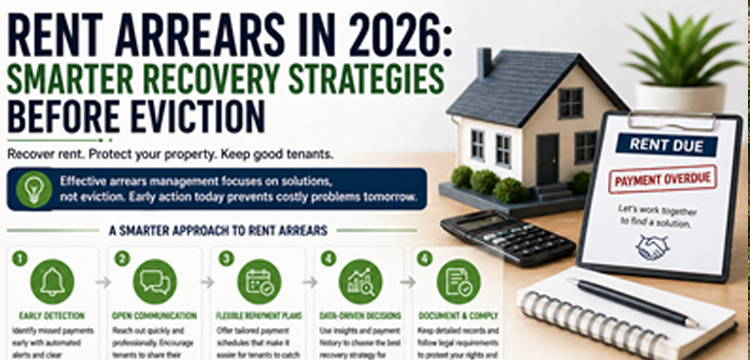
In 2026, rent arrears remain one of the leading causes of eviction but the way landlords handle them is evolving significantly. Rather than moving quickly toward legal action, property owners and managers are adopting smarter, more strategic recovery approaches designed to resolve payment issues while maintaining stable tenancies. This shift reflects a broader understanding that eviction is often the most expensive and disruptive outcome for both parties.
One of the most notable changes is the move toward structured arrears management systems. Instead of treating missed payments as isolated incidents, landlords are now tracking arrears in stages. Early-stage arrears trigger reminders and gentle follow-ups, while mid-stage arrears involve more formal communication and repayment discussions. Only in late-stage arrears—when all recovery efforts fail does eviction become a serious consideration. This layered approach improves recovery rates and reduces unnecessary legal escalation.
Communication is at the heart of effective arrears management. In the past, lack of response from tenants often led landlords to assume non-cooperation. However, modern strategies focus on proactive engagement. Landlords are reaching out earlier, using multiple channels such as email, SMS, and tenant portals to ensure communication is clear and consistent. This approach encourages tenants to explain their situation and engage in finding solutions.
Flexible repayment plans are also becoming standard practice. Instead of demanding full payment immediately, landlords are offering structured repayment schedules that allow tenants to gradually clear their dues. These plans are often tailored to individual financial circumstances, making them more realistic and sustainable. By working with tenants rather than against them, landlords increase the likelihood of recovering outstanding rent while avoiding vacancy losses.
Another emerging trend is the use of financial data insights. Advanced property management tools can now assess tenant payment history and predict the likelihood of arrears recovery. This helps landlords make informed decisions about whether to pursue repayment plans, offer temporary relief, or escalate the matter. Data-driven decision-making reduces guesswork and improves overall outcomes.
Legal frameworks are also adapting to encourage arrears resolution before eviction. In many regions, landlords are now required to demonstrate that reasonable efforts were made to recover rent before initiating eviction proceedings. This includes providing documented evidence of communication, repayment offers, and support measures. As a result, landlords who adopt structured recovery processes are better positioned to comply with regulations and avoid legal setbacks.
For tenants, these changes provide a greater sense of security and fairness. Financial difficulties are often temporary, and having the opportunity to resolve arrears without facing immediate eviction can make a significant difference. However, tenants are also expected to cooperate, communicate openly, and adhere to agreed repayment terms.
Despite these improvements, challenges still exist. Some cases of arrears involve long-term non-payment or deliberate avoidance, where recovery efforts may not succeed. In such situations, landlords must balance patience with practicality and make timely decisions to protect their investment.
Overall, the approach to rent arrears in 2026 is becoming more balanced, data-driven, and solution-focused. By prioritizing recovery over removal, landlords can maintain occupancy, reduce costs, and build stronger tenant relationships. At the same time, tenants benefit from more supportive systems that recognize financial challenges while still promoting accountability.
