
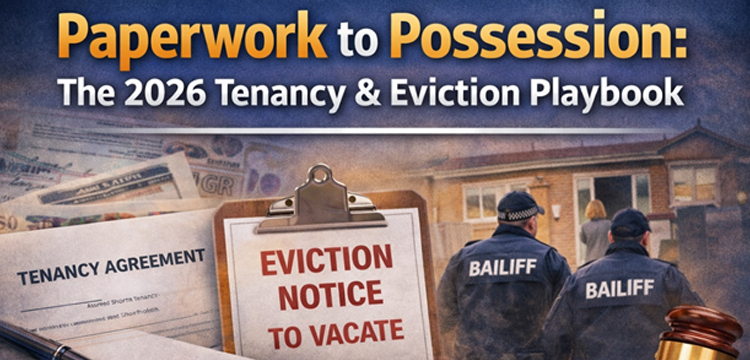
In 2026, drafting the right paperwork is no longer optional it is protection. If you’re wondering how to make a tenancy agreement that stands up in court, the answer lies in clarity, compliance and keeping up with housing reform.
Start With the Right Tenancy Agreement
A strong agreement begins with the correct format. Many landlords use a blank tenancy agreement PDF or a free tenancy agreement template Word UK, but it must reflect current housing law Section 21 rules and post-reform requirements. If you operate in England, ensure your tenancy agreement England and Wales PDF free download version is updated. For Northern Ireland, use a specific tenancy agreement NI template, as the rules differ.
Professional bodies such as the NRLA offer an NRLA tenancy agreement, which can reduce drafting risks. Whether you use a latest tenancy agreement template, a simple tenancy agreement form, or prepare a tenancy renewal agreement template, accuracy matters. If the tenancy rolls on after the fixed term, an assured periodic tenancy template may apply instead.
Section 21 and Section 8: Know the Difference
Many landlords still rely on Section 21, but a key question remains: what makes a Section 21 notice invalid? Failure to protect the deposit, serve prescribed documents, or use outdated forms can invalidate it. Compliance errors cost months.
Under Section 8 Housing UK, eviction depends on specific grounds. For example, Ground 11 may apply for persistent late payment of rent. However, tenants also have rights. Understanding Section 8 guidelines for tenants ensures fairness and reduces disputes.
Special Situations & Scotland
If dealing with an eviction notice for ex-partner, legal status matters tenant, licensee, or excluded occupier. The eviction process Scotland follows entirely separate rules under the Scottish system, so landlords must not rely on England-based templates there.
When to Seek Help Sometimes, structured landlord action is necessary. In complex cases, experienced tenant eviction solicitors can ensure the process is lawful and efficient. In short, success in 2026 depends on accurate tenancy info, compliant documents, and knowing which legal route truly applies before you act.
