
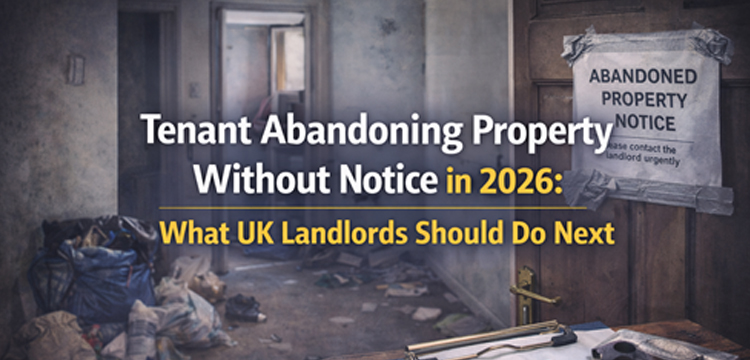
A growing issue landlords are facing in 2026 is tenants suddenly abandoning rental properties without any formal notice. At first glance, this may seem like a relief—no eviction needed, no disputes—but in reality, it can create a complex legal and financial situation. Landlords are often left unsure whether the tenant has truly left, what to do with belongings, and how to legally regain possession without risking claims of unlawful eviction.
One of the biggest challenges in these situations is determining whether the property has genuinely been abandoned or if the tenant intends to return. Just because a property appears empty does not legally mean the tenancy has ended. If a landlord assumes abandonment too quickly and takes possession without following proper procedures, they could face serious legal consequences, including accusations of illegal eviction or loss of tenant belongings.
In many cases, warning signs of abandonment include unpaid rent, disconnected utilities, uncollected mail, and neighbours reporting that the tenant has not been seen for some time. However, none of these factors alone provide legal confirmation. Landlords must proceed carefully and avoid making assumptions without proper verification.
The correct approach begins with attempting to contact the tenant through all available channels. This includes phone calls, emails, and written notices sent to the property address. It is important to clearly request confirmation of the tenant’s intentions and provide a reasonable timeframe for response. Keeping detailed records of all communication attempts is essential, as this may be needed if the situation escalates.
If there is still no response, landlords should consider serving a formal notice of abandonment. This typically involves posting a written notice at the property, stating that the landlord believes the property has been abandoned and outlining the steps that will be taken if no response is received. This notice acts as a safeguard, demonstrating that the landlord has made reasonable efforts to verify the situation before taking further action.
Another key concern is handling any belongings left behind. Landlords cannot simply dispose of tenant possessions immediately, even if the property appears abandoned. Items must be stored safely for a reasonable period, and the tenant should be given an opportunity to reclaim them. Failing to do so could result in legal claims for loss or damage of property.
Financially, abandonment can also create challenges. Rent arrears may continue to accumulate, but recovering these amounts can be difficult if the tenant cannot be located. Additionally, the property may require repairs or cleaning before it can be re-let, leading to further costs and delays.
In 2026, courts are increasingly cautious when dealing with abandonment cases, often requiring clear evidence that the landlord followed proper procedures. Simply believing the tenant has left is not enough. Landlords must show that they acted reasonably, gave sufficient notice, and protected the tenant’s rights throughout the process.
Because of these complexities, many landlords choose to work with professional eviction and legal support services such as Evictors to handle abandonment situations correctly. Expert guidance ensures that all steps are compliant with current regulations, reducing the risk of disputes or legal complications.
Ultimately, tenant abandonment is not as straightforward as it may seem. While it removes the immediate challenge of eviction, it introduces new legal responsibilities that must be handled carefully. Landlords who take a cautious, documented, and legally compliant approach will be in the best position to regain control of their property and move forward without unnecessary risk.
