
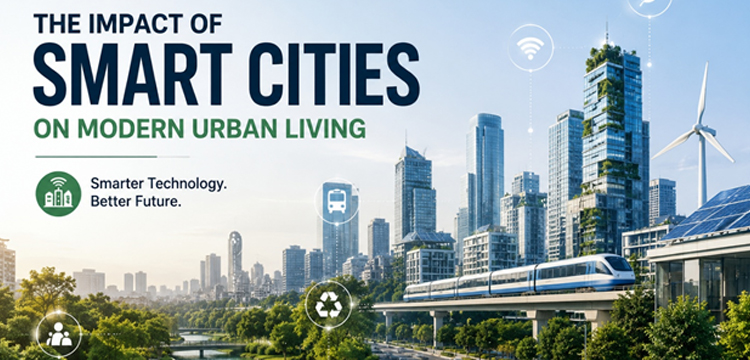
Smart cities are transforming the way people live, work, and interact within urban environments. As technology continues to advance, cities around the world are adopting digital systems and intelligent infrastructure to improve public services, transportation, energy management, and overall quality of life. In 2026, smart city development has become one of the most important strategies for creating sustainable, efficient, and connected urban communities.
A smart city uses technology such as artificial intelligence, sensors, data analytics, and internet-connected systems to manage city operations more effectively. These technologies help governments monitor traffic, reduce energy consumption, improve public safety, and provide faster services to residents. Smart traffic systems, for example, can reduce congestion by analyzing vehicle movement and adjusting traffic signals in real time. This not only saves time for commuters but also helps lower pollution levels.
One of the biggest advantages of smart cities is improved sustainability. Many urban areas face challenges related to pollution, waste management, and excessive energy use. Smart energy grids and renewable energy systems allow cities to use electricity more efficiently while reducing environmental impact. Smart water systems can detect leaks and minimize water waste, while intelligent waste collection systems optimize garbage pickup schedules to keep cities cleaner and more organized.
Public transportation is also evolving through smart city initiatives. Many cities are introducing digital transport systems that allow residents to track buses, trains, and ride-sharing services through mobile applications. Contactless payments, electric public transport, and real-time route updates are making transportation more convenient and accessible. These improvements encourage people to rely less on private vehicles, helping reduce traffic congestion and carbon emissions.
Healthcare and public safety have also benefited from smart technology. Hospitals and healthcare providers now use digital systems to manage patient records, monitor health conditions remotely, and improve emergency response times. In public safety, smart surveillance systems and connected emergency services help authorities respond more quickly to accidents, disasters, or criminal activities. These technologies improve security while supporting faster decision-making during emergencies.
Despite their benefits, smart cities also face several challenges. Data privacy and cybersecurity are major concerns as cities collect large amounts of information from residents and connected devices. Protecting personal data and preventing cyberattacks require strong security systems and government regulations. Additionally, implementing smart infrastructure can be expensive, making it difficult for developing cities to adopt advanced technologies quickly.
Another challenge is ensuring equal access to technology. Some communities may struggle with limited internet access or lack of digital education, creating a digital divide between different social groups. For smart cities to succeed, governments must ensure that technological advancements benefit all residents equally and do not leave vulnerable populations behind.
The future of smart cities looks promising as technology continues to evolve. Artificial intelligence, renewable energy, autonomous vehicles, and advanced communication systems are expected to further improve urban living in the coming years. Cities that successfully combine innovation, sustainability, and inclusivity will likely become more efficient, environmentally friendly, and better prepared for future challenges.
As urban populations continue to grow, smart cities are becoming essential for creating modern communities that are both sustainable and livable. By integrating technology into everyday infrastructure and services, smart cities have the potential to improve quality of life while shaping the future of urban development worldwide.
