
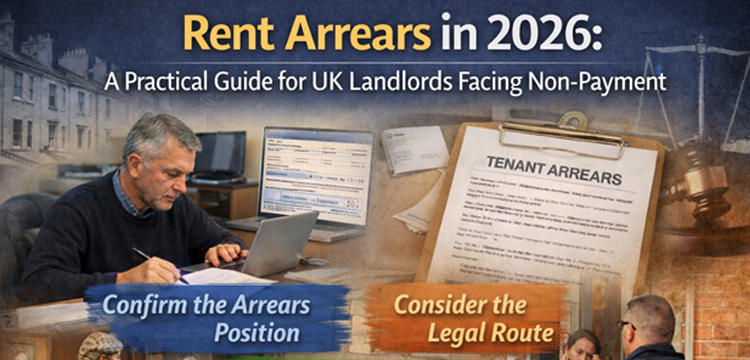
Late or unpaid rent remains one of the biggest challenges for landlords in 2026. With rising living costs and stricter regulation, dealing with arrears requires a calm, structured and legally compliant approach. Acting too slowly risks financial loss. Acting incorrectly risks a failed possession claim.
At Evictors, we focus on getting it right from the start.
Step 1: Confirm the Arrears Position
Before taking legal action, landlords must:
- Check the tenancy agreement terms.
- Prepare a clear rent schedule.
- Confirm the exact arrears amount.
- Communicate formally with the tenant.
Accuracy is essential. Judges will examine the figures closely if the matter reaches court.
Step 2: Consider the Correct Legal Route
Most rent arrears cases rely on the Housing Act 1988.
Where tenants fall into serious arrears, landlords may serve a Section 8 Notice relying on mandatory or discretionary grounds.
The notice must:
- State the correct grounds.
- Provide the proper notice period.
- Be served correctly.
Mistakes at this stage often delay possession by months.
Step 3: Issuing Court Proceedings
If the tenant does not clear the arrears or vacate, landlords may issue a claim through Possession Claim Online (PCOL) or the county court.
Preparation matters. Supporting documents tenancy agreement, deposit protection certificate, rent schedule must be complete and consistent.
Step 4: Possession and Enforcement
Once a possession order is granted, enforcement may require county court bailiffs or transfer to the High Court. Timing and paperwork must be handled precisely to avoid further delay.
Why Professional Support Matters
In 2026, eviction law is under increased scrutiny. Courts expect landlords to follow procedure strictly and treat tenants fairly. A technical error can invalidate months of effort.
Evictors supports landlords from initial arrears review to enforcement, ensuring compliance, clarity and efficient recovery of possession.
Because protecting your rental income begins with doing the process properly.
